
How to Choose the Best Suitcase for Travel (Hardside vs Softside, Size and Durability)
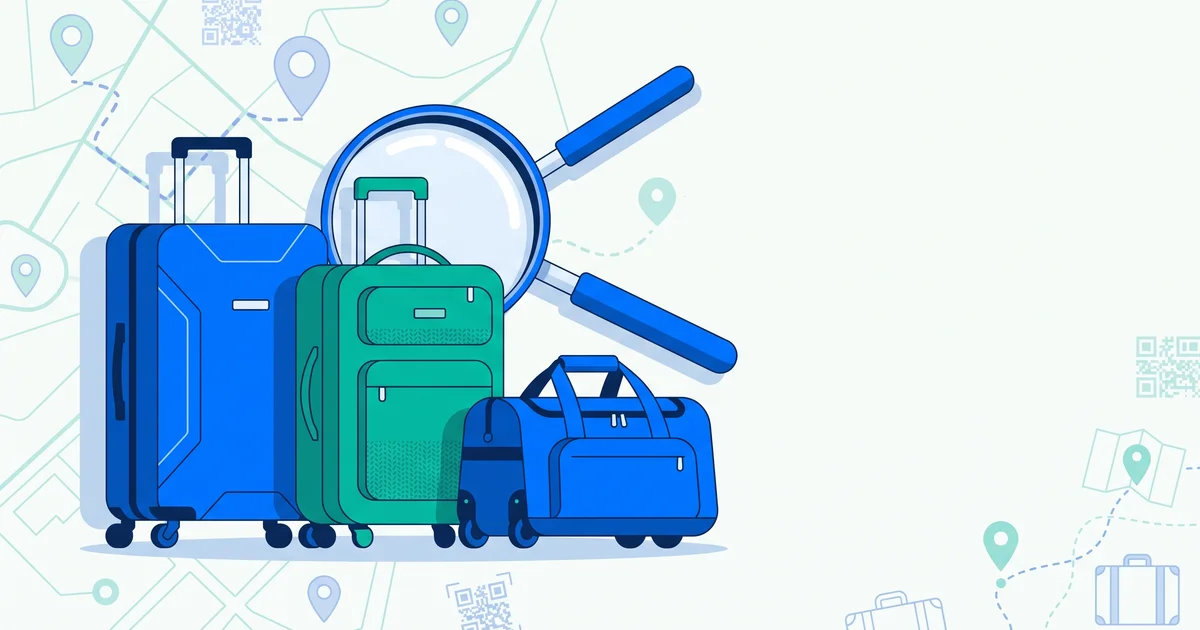
A suitcase is one of the few travel purchases you’ll use for years, which makes it worth more than the five-minute decision most people give it. The right choice depends less on brand names and more on how you actually pack and where you actually go.
The short answer
For most travelers, hardside luggage with four spinner wheels, in a size that matches your airline’s actual carry-on or checked baggage limits, from a brand with a real repair warranty, is the safest default. Hardside protects contents better and handles rough weather; spinner wheels are easier to maneuver through crowded airports. Softside is worth choosing instead if you value external pockets for quick access and need the bag to flex into slightly oversized spaces. Whatever you choose, durability and a genuine warranty matter more long-term than marketed “innovations” like built-in scales or tracking chips, most of which add cost without meaningfully reducing your risk of losing the bag.
Hardside vs. softside
| Hardside | Softside | |
|---|---|---|
| Contents protection | Better — rigid shell resists crushing | More vulnerable to squeezing/crushing |
| Weather resistance | Better, often water-resistant | Absorbs moisture more easily |
| Flexibility for tight spaces | Rigid, doesn’t compress | Flexes into tight overhead bins |
| External pockets | Rare | Common, useful for quick-access items |
| Typical weight | Slightly heavier depending on material | Often lighter |
| Repair/scuff visibility | Scratches show, but structure holds | Wears in less visible, gradual ways |
Neither is objectively better — a photographer carrying fragile gear benefits from hardside’s rigidity, while someone who overpacks regularly benefits from softside’s give.
Size: buy for the trips you actually take
- Check your specific airline’s limits before buying, not a generic “standard carry-on” size — limits vary, and budget airlines in particular are often stricter than legacy carriers.
- Checked bags have more room to work with but still hit weight limits (typically around 23 kg / 50 lb) regardless of size, so an oversized checked bag isn’t automatically more useful.
- If you travel with a mix of trip lengths, a mid-size checked bag plus a separate carry-on generally serves you better than one bag trying to do both jobs — see our carry-on packing checklist for what actually needs to go in the bag that stays with you.
Wheels, handles, and the details that matter
- Four spinner wheels roll beside you and turn easily in crowded terminals, reducing wrist strain.
- Two in-line wheels (pulled behind you) tend to survive rough pavement and uneven surfaces better, since they’re not balanced on tiny casters.
- Telescoping handles should extend smoothly and lock at a height that doesn’t force you to hunch.
- Zipper quality matters more than most buyers realize — cheap zippers are a common failure point and, on softside bags, a security weak point.
TagTrek turns any item into a smart QR tag. If it's lost, whoever finds it can reach you in seconds — no app, no account, no GPS tracking.


Durability and warranty
The biggest predictor of whether a suitcase survives years of travel isn’t the brand name on the outside — it’s the quality of the wheels, zippers, and corner reinforcement, and whether the manufacturer offers a real repair or replacement warranty rather than just a limited one-year policy. Airlines and baggage handling systems are genuinely rough on luggage; a suitcase that looks great in a showroom but has thin wheel housings will show it after a handful of trips.
Making the suitcase itself easier to identify
Once you’ve chosen a suitcase, the next practical step is making sure it doesn’t get lost on the belt or mishandled without a way back to you. A distinctive color or a bright strap helps you spot it quickly at the carousel, and a durable, clearly filled-out luggage tag matters more than any feature on the suitcase itself if it ever gets separated from you. If you’re weighing built-in trackers or smart features, our smart luggage explained guide covers what’s actually useful there versus marketing.
The bottom line
The best suitcase for most travelers is a durable, well-reviewed hardside spinner sized to your airline’s real limits, backed by a genuine warranty — not the one with the most features on the box. Whatever suitcase you buy, its long-term value depends on it actually making it home with you every trip. A TagTrek QR tag attached to your new suitcase means that even the best-built bag has a backup plan: anyone who finds it can scan the tag and reach you directly, no matter how it got separated from you.
Frequently asked questions
Is hardside or softside luggage better?
Hardside protects contents better and resists weather, but softside flexes to fit into tight overhead bins and often has more exterior pockets. Neither is universally better — it depends on how you pack and travel.
What size counts as a carry-on?
Carry-on dimension limits vary by airline, typically around 55 x 40 x 20 cm (22 x 14 x 9 inches), but always check your specific airline before buying, since limits differ and some budget carriers are stricter.
Are spinner wheels better than two-wheel designs?
Spinner (four-wheel) suitcases are easier to maneuver through crowded terminals and roll beside you, while two-wheel designs tend to be more durable on rough or uneven ground since they're pulled rather than balanced.
How much should I spend on a suitcase?
Mid-range suitcases from established brands with real warranties tend to outlast budget options by years, often making them cheaper per trip. Very high-end suitcases add marginal durability gains for a steep price increase.
Never lose your bag again
TagTrek turns any item into a smart QR tag. If it's lost, whoever finds it can reach you in seconds — no app, no account, no GPS tracking.