
Found Someone's ID or Passport? What You're Legally Required to Do
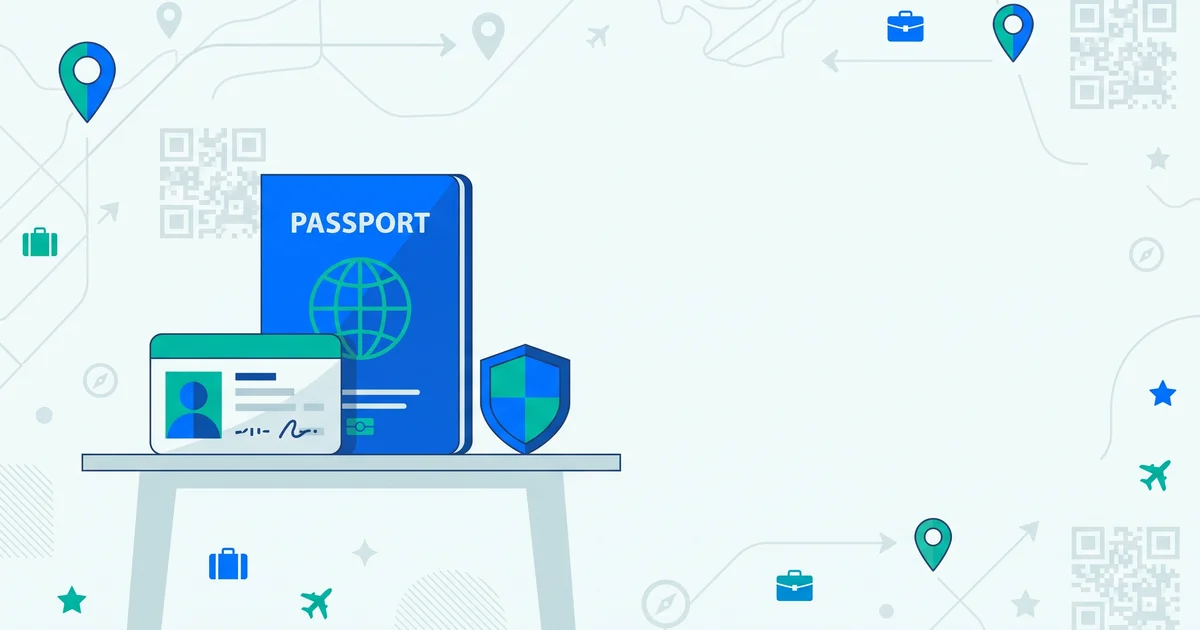
Finding someone’s ID or passport feels different from finding a wallet or a set of keys, and it should — a government-issued document carries more weight, both for the owner (who may need it to fly, drive, or prove their identity) and for you as the person who found it. Here’s how to handle it correctly.
The short answer
Don’t keep it, and don’t just leave it where you found it. For a driver’s license or state ID, the safest options are handing it to local police or dropping it at a mailbox marked for that purpose (some ID authorities partner with postal services for exactly this). For a passport, treat it more seriously — passports remain the property of the government that issued them, and many places legally require you to hand found ID or passports to police or the issuing authority within a reasonable time. When in doubt, police non-emergency is always a safe, correct option for either.
Why passports are treated differently from other lost items
A passport isn’t just a piece of identification — it’s a controlled government document, and losing one can seriously disrupt someone’s ability to travel, prove citizenship, or reenter their own country. Because of this:
- Many countries have specific rules for what a finder should do with a found passport, and these differ by country — check your local law or the nearest police non-emergency line if unsure.
- Consulates and embassies specifically field lost and found passport cases for their own citizens, and are usually a reliable point of contact if the passport is foreign.
- Airports, hotels, and transit authorities that find passports typically route them straight to police or the relevant consulate rather than trying to contact the owner directly.
If you’re at an airport when you find one, see how airport lost and found works — most airports have a specific procedure for travel documents precisely because of how time-sensitive they are.
What to do if you find a driver’s license or state ID
- Check for an obvious, current way to contact the person — but be cautious about how far you go with this. A license doesn’t usually list a phone number, so this step often won’t apply.
- Look for a designated ID mailbox or drop point. In several regions, licensing authorities and postal services jointly run programs where any mailbox accepts a found license for free forwarding to the DMV or equivalent — check whether your area has one.
- Hand it to local police if no drop program exists. This is always a safe default.
- Don’t try to deliver it in person based on the printed address alone — people move, and showing up at a stranger’s home with their ID is understandably uncomfortable for everyone involved.
What to do if you find a passport
- Don’t keep it “to give back yourself” — even with good intentions, this can create legal complications for you, and many jurisdictions specifically expect found passports to go through police or the issuing government’s local office.
- Contact local police and explain where and when you found it.
- If it’s a foreign passport, the nearest consulate or embassy of the issuing country is also a valid and often faster path, since they handle these cases specifically for their citizens.
- If you found it at an airport, hotel, or on transit, hand it to staff or security rather than taking it with you — these venues have direct lines to the right authorities.
This is a different, higher-stakes situation than finding a lost wallet, where the contents are personal property rather than a government document — and it’s worth reading is finders keepers actually the law to understand why keeping any found item, ID included, isn’t the legally safe option many people assume it is.
TagTrek turns any item into a smart QR tag. If it's lost, whoever finds it can reach you in seconds — no app, no account, no GPS tracking.


What not to do
- Don’t post a photo of the ID or passport online to try to find the owner — this exposes sensitive personal information (full name, date of birth, document number) publicly, which can enable identity theft.
- Don’t hold onto it indefinitely waiting for the owner to reach out to you — they have no way to know you have it.
- Don’t try to verify or “test” the ID by using it anywhere. Handle it minimally and hand it over.
- Don’t assume it’s not a big deal because it’s “just a card.” A lost passport abroad in particular can strand someone or force an emergency embassy visit — see lost passport abroad for what that actually looks like from the traveler’s side.
If it’s your ID or passport that’s missing
If you’ve lost your own passport, especially while traveling, report it immediately to local police and your embassy or consulate — most require a police report before issuing an emergency replacement. For a domestic ID, most licensing authorities let you report it lost and reissue a replacement without needing the original back, so a found-and-returned original is a bonus, not a requirement to move forward.
The bottom line
Government-issued ID and passports carry more responsibility than an average lost item — the right move is almost always police, the relevant licensing authority, or (for foreign passports) the issuing country’s consulate, rather than trying to handle it yourself. For everyday belongings that don’t carry this legal weight — luggage, bags, electronics — a TagTrek QR tag gives a finder a direct, privacy-respecting way to reach you without needing to involve any authority at all, which is exactly the gap ID and passports can’t fill on their own.
Frequently asked questions
Am I legally required to hand in a found passport?
In many countries, yes — passports remain the property of the issuing government, and finding one and keeping it (or failing to report it) can be treated seriously. Handing it to police or the nearest consulate/embassy of the issuing country is the standard, safe path, but check your local requirements since they vary.
Can I just mail a found ID back to the address on it?
The address on an ID can be outdated, and mailing government-issued ID without any verification isn't a reliable return method. Handing it to police or DMV/licensing authority drop-off is generally safer and more likely to actually reach the right person.
What if I find a foreign passport?
Contact local police or the consulate/embassy of the passport's issuing country. Consulates specifically handle lost and found passport cases for their citizens and can verify identity in ways you can't.
Is it okay to contact the person directly if I find their ID with a phone number on it?
If there's a legitimate, clearly-current way to reach them directly, that's fine and often the fastest path. If not, don't try to track them down through social media search — hand it to police or the relevant licensing authority instead.
Never lose your bag again
TagTrek turns any item into a smart QR tag. If it's lost, whoever finds it can reach you in seconds — no app, no account, no GPS tracking.