
Travel Suitcase Buying Guide: Sizes, Materials and What Airlines Allow
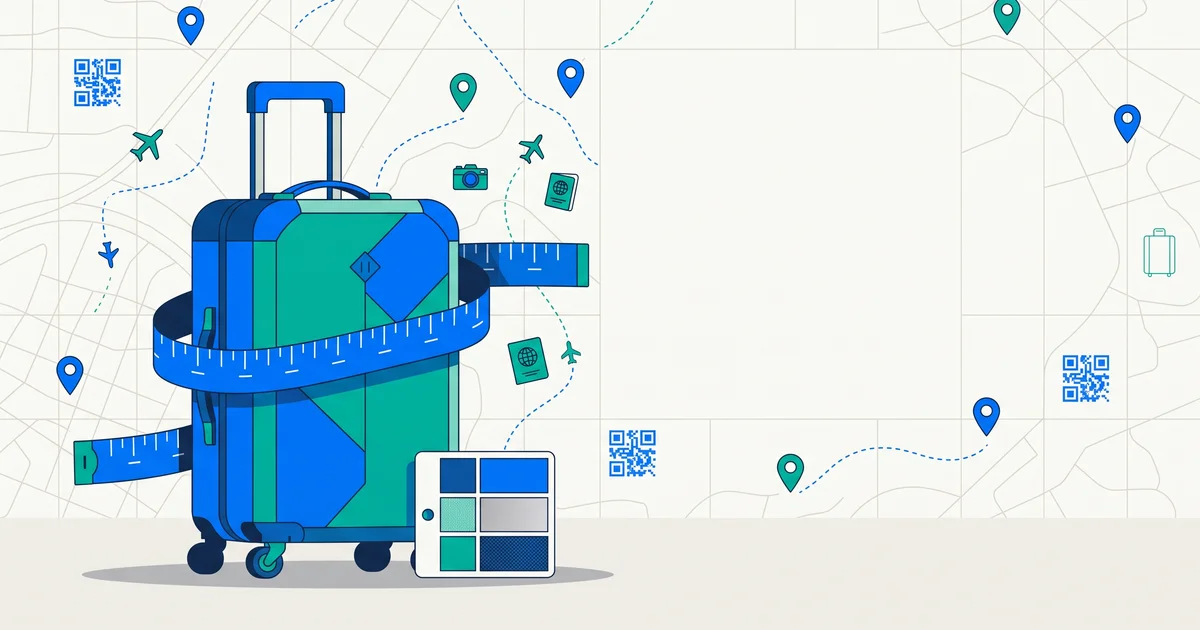
Suitcase shopping gets confusing fast because “carry-on size” isn’t a single universal standard — it’s closer to a rough consensus that different airlines interpret slightly differently. Buying the wrong size means either gate-checking fees or a bag that never quite fits the trips you actually take.
The short answer
Most travelers need at most two suitcases: a carry-on around 22 x 14 x 9 inches (56 x 36 x 23 cm, a widely used but not universal limit — always verify against your specific airline) and a mid-size checked bag around 24-26 inches. Airlines vary meaningfully on exact carry-on and checked-bag limits, especially budget and international carriers, so check the specific airline’s current rules before buying, not just before a trip. Material-wise, polycarbonate hard shell offers the best durability-to-weight ratio for checked bags, while a lighter soft-shell option is often more practical for a carry-on you’ll be lifting into overhead bins repeatedly.
Suitcase sizing at a glance
| Type | Typical size range | Notes |
|---|---|---|
| Personal item | Fits under the seat | Smallest bag, always included |
| Carry-on | ~20-22 in / 51-56 cm | Limits vary meaningfully by airline |
| Small checked | ~24 in / 61 cm | Good for trips under a week |
| Medium checked | ~26-27 in / 66-69 cm | The most common all-purpose checked size |
| Large checked | ~28-30+ in / 71-76+ cm | Often approaches or exceeds oversize thresholds |
Always confirm against your airline’s published limits before buying — dimensions given by luggage brands as “airline compliant” are usually based on the most common limits, not a guarantee across every carrier.
Choosing material based on how you actually travel
Polycarbonate hard shell is the most common recommendation for checked luggage because it resists impact well relative to its weight, and it wipes clean easily. ABS is a cheaper hard-shell alternative but less impact-resistant. Ballistic nylon soft shell flexes instead of cracking, tends to have more exterior pockets, and is often preferred for carry-ons that get handled more gently. A fuller durability breakdown, especially relevant if you fly often, is in the luggage buying guide for frequent flyers.
TagTrek turns any item into a smart QR tag. If it's lost, whoever finds it can reach you in seconds — no app, no account, no GPS tracking.


Wheels, handles and the parts that actually break
Suitcase shells rarely fail outright — wheels, zippers and telescoping handles are the far more common points of failure. Four-wheel spinners are easier to maneuver but have more exposed points; recessed wheel housings hold up better to airline handling. This matters just as much for a new suitcase as an old one, since even a premium bag can be let down by weak hardware.
Zippers, expansion panels and other details worth checking in person
A few smaller design details make a bigger practical difference than most buyers expect:
- Double or dual-track zippers are more resistant to being forced open and generally handle repeated stuffing better than a single zipper track, which matters if you regularly pack close to the weight limit.
- An expansion zipper (usually adding an extra inch or two of depth) is useful for the trip home when you’ve picked up more than you packed, but check whether your airline’s size limit is measured with the expansion open or closed — it can push a borderline bag over the line.
- Interior compression straps keep contents from shifting during handling, which reduces both wrinkling and the odds of something shifting hard enough to strain a zipper.
- A corner-first drop test isn’t something you can do in a store, but checking the corner reinforcement (double-stitched or a separate guard) is — corners take the brunt of conveyor-belt handling and are usually the first place a cheap suitcase fails.
Avoiding overweight and oversize fees
- Weigh the empty bag before buying if possible — heavier shells eat into your weight allowance before you’ve packed anything.
- Don’t buy the biggest size “just in case” — bigger bags get overpacked simply because there’s room, which is the most common cause of overweight fees.
- Match the bag to your typical trip length, not your longest hypothetical trip.
Making a new suitcase identifiable from day one
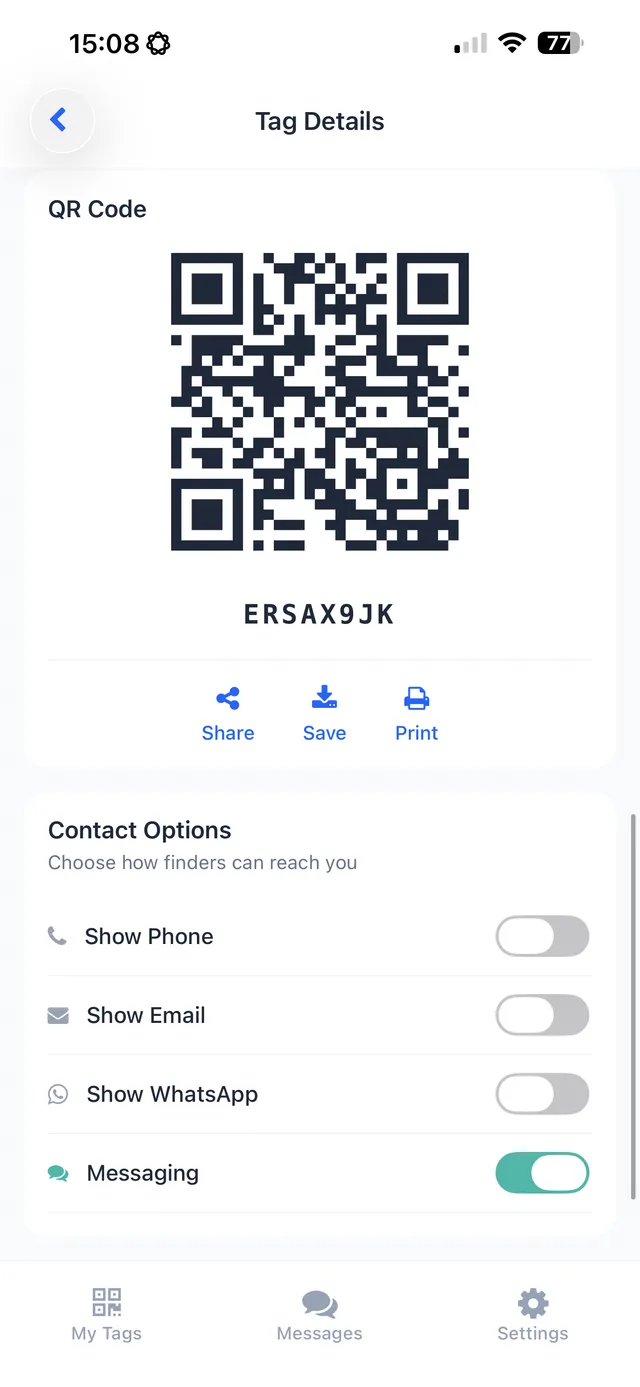
A brand-new suitcase looks like hundreds of others on a carousel until it’s been personalized — see how to identify your luggage. Attach a durable tag with contact information as soon as you buy it, before the first trip, not after a close call.
The bottom line
The right suitcase is less about brand and more about matching size and material to how you actually travel, and always double-checking airline limits before you buy rather than after a gate-check surprise. Whatever suitcase you choose, a TagTrek QR tag attached from day one means anyone who finds it separated from you can contact you directly by scanning it, no app needed.
Frequently asked questions
What's a standard carry-on suitcase size?
A commonly used carry-on limit is around 22 x 14 x 9 inches (56 x 36 x 23 cm) including wheels and handles, but limits vary by airline and are stricter on many budget and international carriers, so always check the specific airline before buying or packing.
What's the difference between a checked bag and an oversized checked bag?
Standard checked bags usually fall under a combined linear dimension limit (commonly around 62 inches / 158 cm, length + width + height), and anything larger is classified as oversized and charged a separate, often steep, fee.
Is a bigger suitcase always better value?
Not necessarily — a larger bag costs more to check on airlines with weight-based fees, is harder to maneuver, and often ends up overpacked simply because there's room, which increases the odds of an overweight fee.
How many suitcases does a typical traveler actually need?
Most travelers are well covered with one carry-on for short trips and one mid-size checked bag (roughly 24-26 inches) for longer trips, rather than owning a large set spanning every possible size.
Never lose your bag again
TagTrek turns any item into a smart QR tag. If it's lost, whoever finds it can reach you in seconds — no app, no account, no GPS tracking.