
Digital Nomad Packing Tips: Traveling Long-Term Without Losing Your Gear
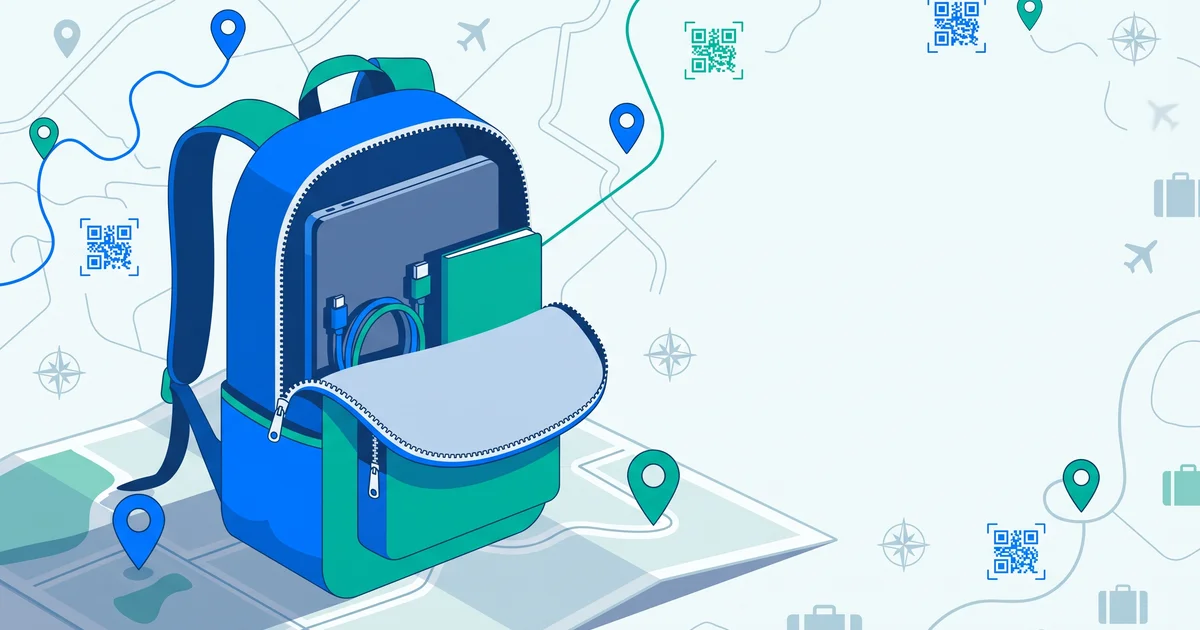
Packing for a two-week vacation and packing for months of living out of a bag are different problems entirely. Digital nomads deal with a specific set of risks that don’t come up on a normal trip: constant accommodation changes, work equipment that can’t just be replaced with a store run, and the accumulated fatigue of repacking the same bag dozens of times.
The short answer
Long-term travelers who avoid losing gear consistently rely on a small, fixed set of belongings rather than an ever-growing pile, the same packing system every single time (same spot for every item, no exceptions), and a pre-departure sweep of every room before checkout, since that’s when most items actually get left behind. Work equipment gets extra protection — backups for anything income-critical, and labeling on laptops, cameras and chargers, not just the main bag, since these are the items most likely to be left at a coworking space or cafe.
What actually earns a spot in a long-term travel bag
| Category | Priority |
|---|---|
| Work equipment (laptop, charger, adapter) | Highest — income depends on it |
| Backup charging cable/battery | High — replacements aren’t always easy to find |
| Versatile clothing (layers, quick-dry) | High — fewer items, more combinations |
| Toiletries in travel sizes | Medium — usually replaceable locally |
| Single-purpose gadgets | Low — the first things to get left behind or unused |
The habit that prevents most losses: the checkout sweep
The single most common way long-term travelers lose gear isn’t theft — it’s leaving something behind at a previous accommodation during a rushed checkout. A consistent routine — checking every drawer, under the bed, behind the door, and every charging outlet before leaving any room — catches the vast majority of these losses before they happen. This matters more for nomads than typical travelers simply because of repetition: doing this dozens of times a year means even a small failure rate compounds.
TagTrek turns any item into a smart QR tag. If it's lost, whoever finds it can reach you in seconds — no app, no account, no GPS tracking.


Protecting income-critical gear specifically
A lost laptop or camera isn’t just a replacement cost for a digital nomad — it can mean lost income while working is impossible. This justifies extra precautions that might seem excessive for a normal vacation: a durable, padded tech bag, cloud backups configured before departure (not after a loss), and travel insurance that specifically covers electronics and work equipment, not just general belongings — see travel insurance for lost belongings for what to check before assuming standard coverage applies.
Handling laundry, storage and the mid-trip reset
Long-term travel eventually forces a decision most short trips never require: what to do when the bag is simply too full, or when local laundry access is unreliable. A few practices help:
- Do a monthly gear audit — laying everything out every few weeks and asking whether each item earned its place that month is a more honest test than deciding at the moment of packing, when everything feels necessary.
- Use a laundry bag or compression cube specifically for dirty clothes, kept separate from clean items — this avoids the common long-term-travel problem of an entire bag smelling like laundry that never quite got done.
- Know your shipping options for gear you no longer need, especially cold-weather layers picked up for one leg of a trip — international shipping is often cheaper than carrying dead weight for months.
- Keep a small “just in case” reserve (a spare charging brick, a backup SIM or eSIM, a printed copy of key documents) that doesn’t get touched in normal use but prevents a single lost item from becoming a full logistics crisis in an unfamiliar country.
Minimalism as a loss-prevention strategy, not just a packing style
Fewer possessions is genuinely a safety strategy for long-term travel, not just an aesthetic choice — every item added is one more thing that can be left behind in a coworking space, a night bus, or a shared dorm. This overlaps heavily with general prevention habits covered in never lose your luggage and the daily-carry version in keep belongings safe while traveling, both worth applying more strictly for anyone living out of a bag long-term.
Labeling gear for a lifestyle built on constant handoffs
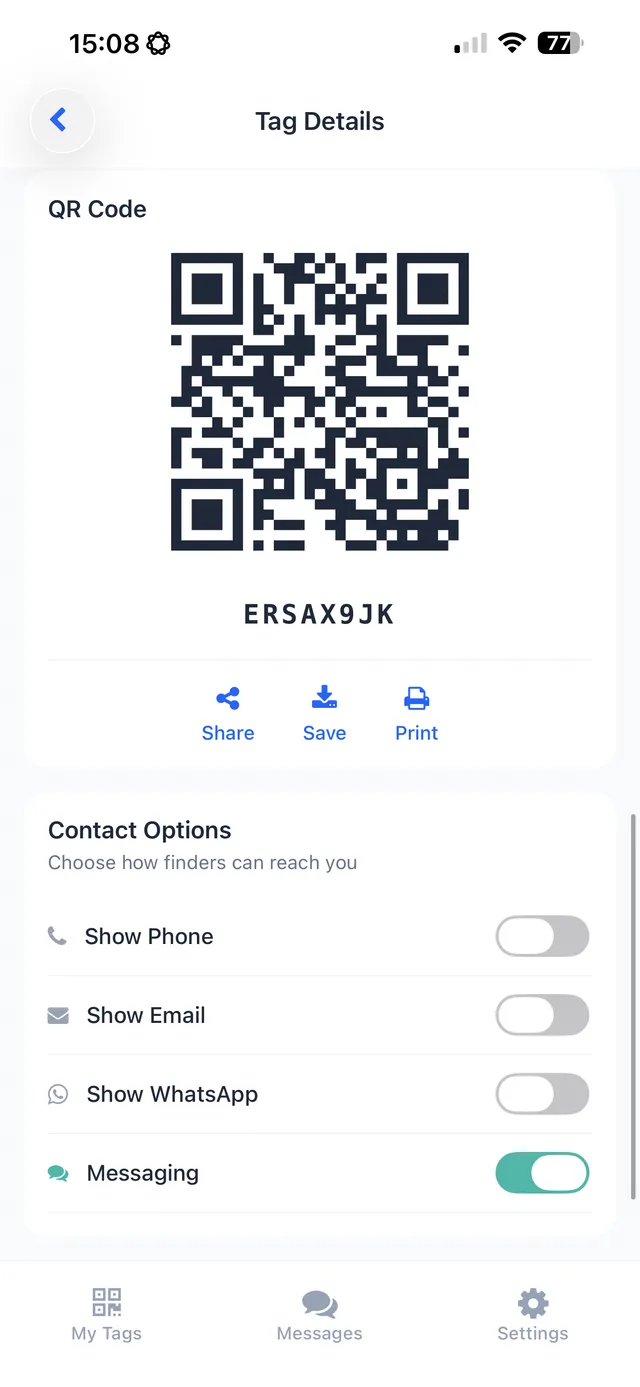
Long-term travel means constant transitions — buses, shared accommodations, coworking spaces, new cities every few weeks. A visible tag with contact information on your laptop bag, camera and main luggage means that if something does get left behind in the chaos of a move, whoever finds it has a real way to reach you. See what to put on a luggage tag for specifics that apply just as well to a laptop bag as a suitcase.
The bottom line
Long-term travel rewards a small, fixed kit, a consistent checkout routine, and extra protection specifically for income-critical gear — habits that matter more the more times you repeat the cycle of packing and unpacking. A TagTrek QR tag on your laptop bag and luggage means that wherever the road takes you next, anything left behind can be scanned and returned by whoever finds it, no app needed.
Frequently asked questions
How much gear should a digital nomad actually pack?
Most experienced long-term travelers converge on one carry-on-sized bag plus a dedicated tech bag, prioritizing versatile items over specialized single-use gear, since everything has to be carried repeatedly between accommodations.
What's the biggest packing mistake new digital nomads make?
Overpacking clothes and underpacking reliable tech backups — a dead charger or laptop issue disrupts income directly, while an extra outfit rarely does.
How do digital nomads avoid losing gear while moving between accommodations frequently?
Consistent packing systems (the same spot for every item every time), a pre-departure room sweep at every checkout, and labeling valuable gear with contact information are the most commonly cited habits.
Should digital nomads carry travel insurance that covers gear?
Yes — most long-term travelers carry insurance that specifically covers electronics and work equipment, since a lost laptop or camera can mean lost income, not just replacement cost.
Never lose your bag again
TagTrek turns any item into a smart QR tag. If it's lost, whoever finds it can reach you in seconds — no app, no account, no GPS tracking.