
How to Never Lose Your Luggage Again: 9 Traveler-Tested Tips
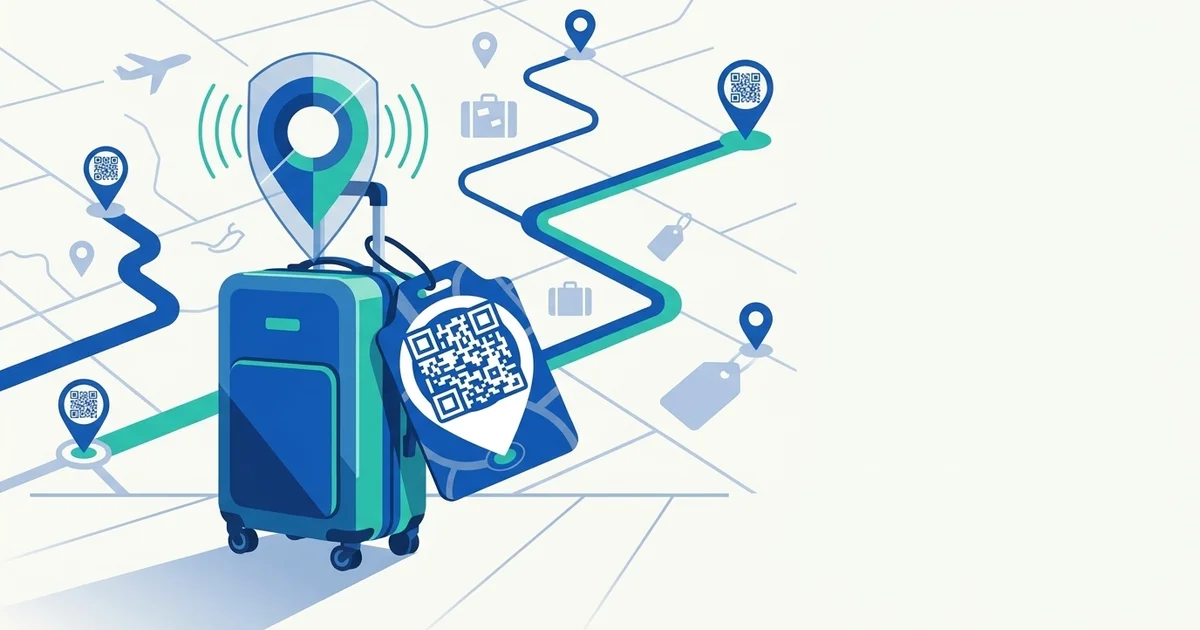
Airlines mishandle millions of bags every year. Most turn up eventually — but “eventually” can mean three days into a one-week trip, in the wrong city, with none of your things. The good news: a few simple habits dramatically cut the odds of losing a bag for good. Here are nine that actually work.
1. Make your bag instantly identifiable
A black bag on a carousel of black bags is a recipe for a mix-up. Add a bright strap, ribbon, or sticker so it’s obvious at a glance — both to you and to anyone who grabs it by mistake.
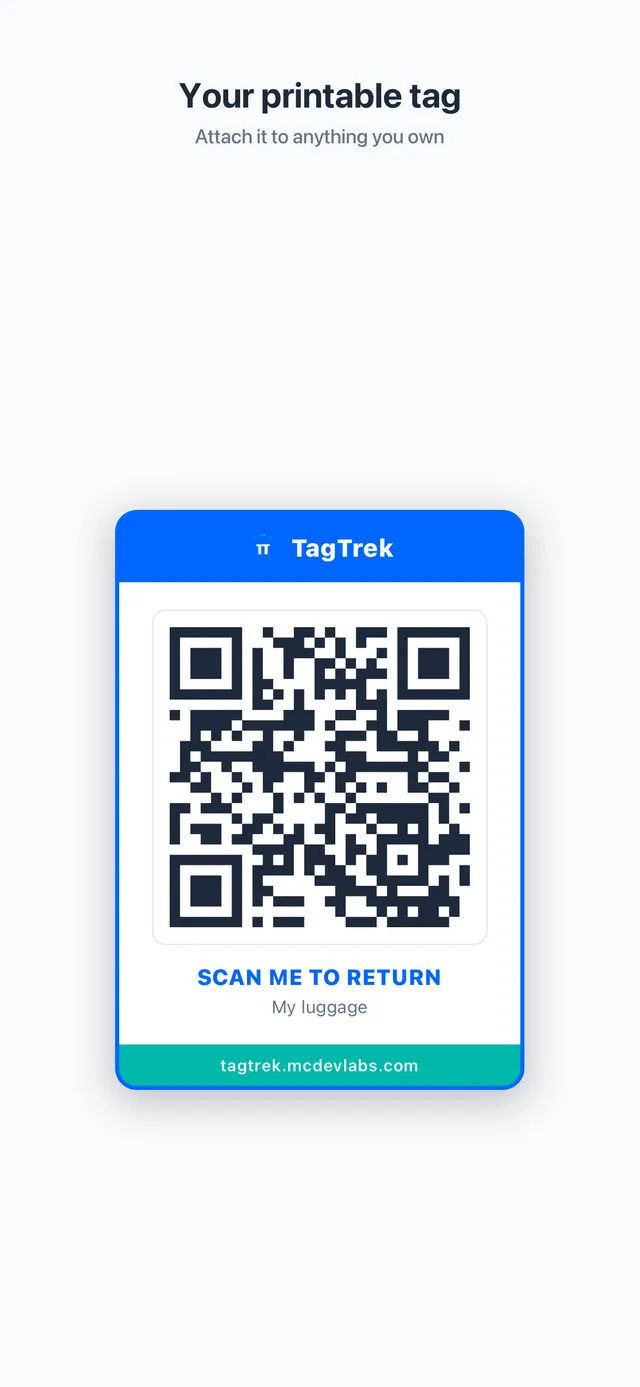
TagTrek turns any item into a smart QR tag. If it's lost, whoever finds it can reach you in seconds — no app, no account, no GPS tracking.


2. Put contact info inside and on the bag
Tags fall off. Put a contact card inside the bag as a backup, and a durable tag on the outside. But think carefully about what you put on the outside — a visible home address tells the world your house is empty while you travel (more on that in what to put on a luggage tag).
3. Use a smart QR tag
This is the upgrade most travelers miss. A QR tag lets a finder reach you in seconds without exposing your personal details — and unlike a Bluetooth tracker, it works no matter how far away your bag ends up.
4. Photograph your bag and its contents
Before you fly, snap a photo of your bag and what’s inside. If you need to file a claim or describe it to lost-and-found, you’ll have proof and detail instantly.
5. Remove old tags and stickers
Old airline barcodes confuse automated sorting systems and can route your bag to the wrong place. Strip them before every trip.
6. Take a direct flight when it matters
Most mishandling happens during connections, especially tight ones. For irreplaceable trips, a direct flight removes the riskiest moment in a bag’s journey.
7. Keep essentials in your carry-on
Medications, chargers, a change of clothes, and valuables should never be in checked luggage. If the bag is delayed, you’re still functional.
8. Tag every item, not just the suitcase
Backpacks, camera bags, even your laptop sleeve — anything you’d hate to lose deserves a tag. The same QR tag system works on all of them.
9. Have a plan for when it goes missing
Even with everything right, bags occasionally vanish into the system. Knowing the first moves saves you — we cover them in what to do in the first 24 hours.
The takeaway
You can’t control the baggage system, but you can stack the odds: make your bag identifiable, tag it smartly, keep essentials close, and have a recovery plan. The biggest single upgrade is a privacy-safe QR tag — which is exactly what TagTrek does: scan, contact, reunite, without giving away your personal info.
Frequently asked questions
How common is lost luggage?
Airlines mishandle several million bags every year — roughly 6–7 per 1,000 passengers. Most are delayed rather than permanently lost, but even a delay can ruin a trip without the right precautions.
What's the single best way to get a lost bag back?
Make it effortless for whoever finds it to contact you. A clear contact tag — ideally a smart QR tag like TagTrek that protects your privacy — beats a paper tag that can fall off or expose your home address.
Should I put my phone number on my luggage?
Putting raw personal details on a visible tag is a privacy risk. A QR tag is safer: the finder scans it and reaches you through a private channel without seeing your phone number or address.
Does a QR luggage tag need an app to scan?
No. With TagTrek, the finder just scans the QR code with their phone camera and sees how to contact you — no app or account required on their end.
Never lose your bag again
TagTrek turns any item into a smart QR tag. If it's lost, whoever finds it can reach you in seconds — no app, no account, no GPS tracking.