
International Travel Tips: Documents, Customs and Keeping Your Bags Safe
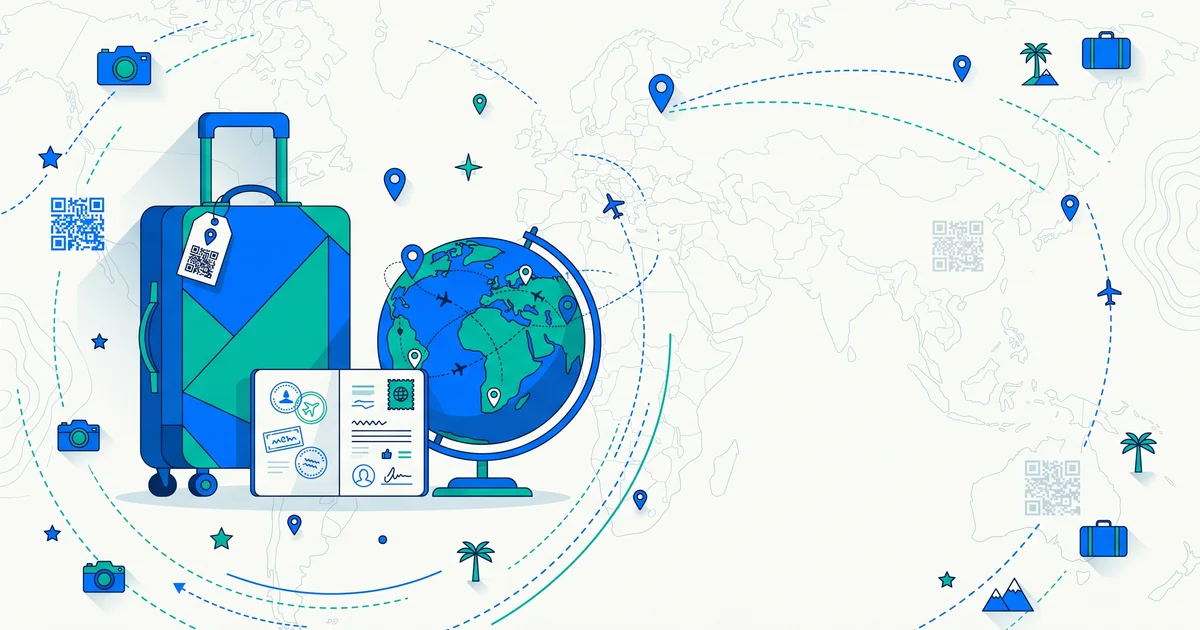
International travel adds a layer of logistics that domestic trips don’t have — document requirements, customs rules, currency, and connections that sometimes span different airlines entirely. None of it is complicated once you know what’s actually different, but assuming international travel works like a longer domestic flight is where a lot of avoidable stress comes from.
The short answer
The core differences that trip people up on international travel are document requirements (passport validity, visas, entry requirements specific to your destination), customs declarations on arrival, and connections that sometimes involve separate airlines or separate tickets, which changes whether your checked bag is automatically transferred or needs to be collected and rechecked. Arrive earlier than you would for a domestic flight — document checks and international security processes generally take longer. Confirm with your airline before you fly whether your bags are checked through to your final destination or need to be handled at a connection, since assuming the wrong answer is a common way bags get missed.
Documents: check well before you travel
- Passport validity — many countries require at least six months of validity remaining beyond your travel dates, not just validity through your return.
- Visa or entry requirements vary by destination and by your nationality — check the specific rules for where you’re going rather than assuming your last international trip’s rules still apply.
- Photograph or scan every document and store copies separately from the originals, ideally in cloud storage accessible without the physical document.
- Split documents from valuables where practical — don’t carry your passport and all your cash in the exact same pocket.
Customs and declarations
- Most countries require declaring goods over a certain value, certain food or agricultural items, and large amounts of cash — the specific thresholds vary significantly by country, so check your destination’s current rules rather than guessing.
- Keep receipts for higher-value items you’re bringing in, in case you’re asked to substantiate a declaration.
- Declaration forms, where required, are usually straightforward but worth reading carefully rather than rushing through — errors can cause delays at the border.
TagTrek turns any item into a smart QR tag. If it's lost, whoever finds it can reach you in seconds — no app, no account, no GPS tracking.


Connections: the detail people get wrong
Whether your checked bag automatically transfers at a connecting airport depends heavily on how your ticket is booked:
- Single itinerary, same or partnered airlines — bags are frequently checked through to your final destination automatically.
- Separately booked tickets, especially across unrelated airlines — you may need to collect your bag, clear customs if required, and recheck it yourself before your next flight, which takes real time.
Confirm this with your airline before you travel, and if you’re on separate tickets, build in significantly more buffer time at the connecting airport than you would for a same-ticket transfer. This is also where bags most commonly get missed or delayed — see our how airport baggage claim carousels work guide for what’s actually happening behind the scenes when a bag doesn’t make a connection.
Currency and money abroad
- Notify your bank of international travel dates to avoid cards being flagged and frozen mid-trip.
- Carry a small amount of local currency for situations where cards aren’t accepted, without carrying so much cash that losing your wallet becomes a major loss.
- Split cash and cards across more than one place, similar to the document-splitting habit above.
Keeping bags and belongings safe across borders
International trips often mean more transit time, more unfamiliar transport systems, and more crowded tourist areas — all situations covered in more depth in our travel safety tips and pickpocket prevention guides. If a checked bag doesn’t arrive at your international destination, the process is broadly similar to domestic travel but often takes longer due to customs and cross-border coordination — see lost luggage first 24 hours for what to do immediately.
The bottom line
International travel isn’t harder than domestic travel, just different in a few specific, checkable ways — documents, customs, and how your connections actually work. Get those right ahead of time and the rest of the trip runs like any other. Wherever your bags end up traveling through, clear identification matters even more across borders, where language and systems differ. A TagTrek QR tag gives anyone, anywhere, an instant way to see your contact details and reach you — no matter what country your bag ends up in.
Frequently asked questions
How early should I arrive for an international flight?
Generally earlier than a domestic flight — three hours is a common recommendation for international departures, since check-in, document checks and security tend to take longer than domestic equivalents.
Do I need to declare items at customs?
Most countries require declaring goods over a certain value, certain food items, and large amounts of cash. Rules vary significantly by country, so check the specific destination's customs rules before you travel rather than assuming.
What happens to my checked bag on an international connection?
This depends heavily on whether your itinerary is on one ticket or separately booked — on a single itinerary, bags are often checked through to the final destination; on separate tickets, you may need to collect and recheck the bag yourself. Confirm with your airline before you fly.
Is it riskier to check a bag internationally than domestically?
Not inherently riskier, but international connections often involve more handling points and sometimes different airlines, which can add opportunities for delay. Building in buffer time for connections reduces this risk significantly.
Never lose your bag again
TagTrek turns any item into a smart QR tag. If it's lost, whoever finds it can reach you in seconds — no app, no account, no GPS tracking.