
Unclaimed Baggage: Can You Really Buy Mystery Suitcases Airlines Never Delivered?
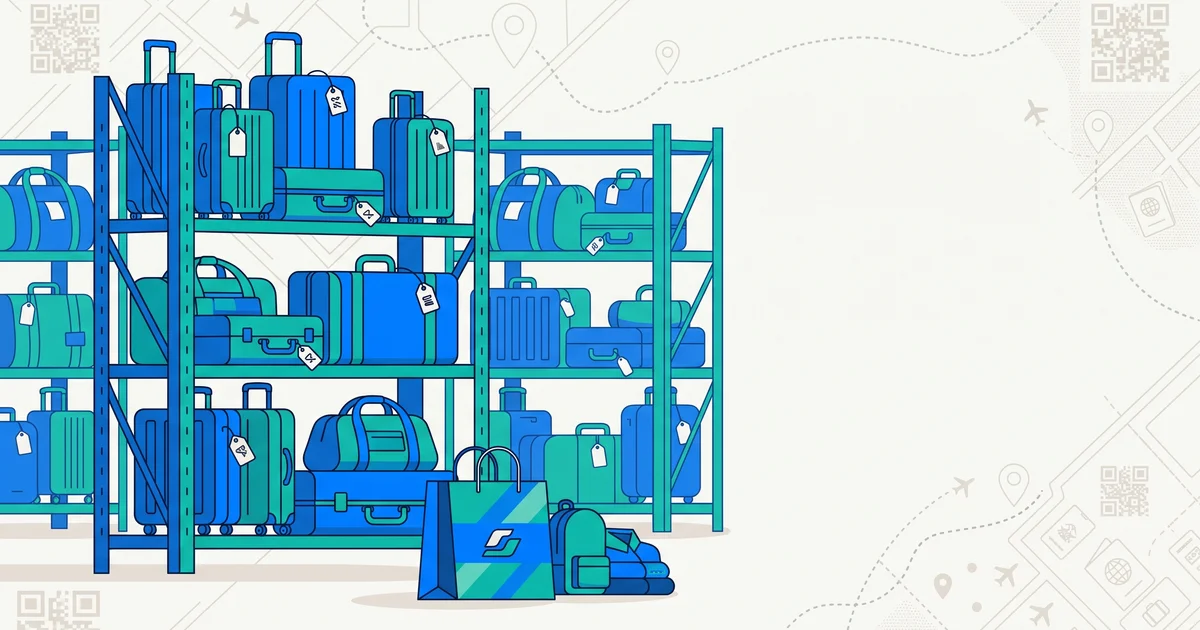
Somewhere in Alabama, there’s a store the size of several football fields stocked entirely with suitcases that airlines never managed to give back. It sounds like an urban legend, but it’s a real, ongoing business — and it exists precisely because of the gap in the system between “lost” and “returned.”
The short answer
Unclaimed baggage stores exist because a small number of checked bags — after weeks or months of an airline’s tracing process — are never matched to an owner at all. Airlines don’t want to store bags forever, so unclaimed items are eventually written off and sold in bulk to liquidators, who resell the contents (and sometimes the bags themselves) to the public. The bags that end up there are almost always ones with no name, no contact info, and no working ID inside — which is exactly what makes prevention worth more than any recovery process.
How a bag actually becomes “unclaimed”
Losing a bag and having it become permanently unclaimed are two very different outcomes. Most delayed baggage is reunited with its owner within a few days using the tag number, flight manifest and passenger contact details on file. A bag only drifts into true “unclaimed” territory when:
- The exterior tag is missing, torn off, or unreadable.
- There’s nothing identifiable inside — no name, address, itinerary, or contact card.
- The passenger’s contact details on the airline reservation are outdated or wrong.
- The airline’s lost and found process runs its full course without a match.
Airlines typically hold unmatched bags for a set period — often around 90 days, though this varies by carrier — after which they’re legally allowed to dispose of them. Read more on how long airlines actually keep lost luggage before write-off. After that window, bags are usually sold in bulk, unopened, to liquidation companies who then sort, clean and resell the contents.
What happens inside a liquidator like this
The most famous example, Unclaimed Baggage in Scottsboro, Alabama, has operated since 1970 and receives shipments of bags airlines could never return. Staff sort through everything: clothing gets cleaned and restocked, electronics are wiped and tested, and genuinely unusual items — from musical instruments to, occasionally, jewelry — get pulled aside for specialty sale. It’s effectively a retail store built entirely on the friction of modern travel logistics.
TagTrek turns any item into a smart QR tag. If it's lost, whoever finds it can reach you in seconds — no app, no account, no GPS tracking.


Why this matters even if you never lose a bag
The existence of an entire retail industry built on unreturned luggage is a pretty stark illustration of how often “lost” quietly becomes “permanent.” It’s a good reminder that the system airlines run is only as good as the identifying information attached to your bag. A bag with a name and phone number rarely ends up unclaimed — it gets matched and shipped back long before the 90-day window closes. A bag with nothing on it is the one that starts the clock toward Alabama.
How to make sure your bag never gets there
- Put contact info inside and outside the bag, not just on the airline’s paper tag, which can tear off in transit. See what to put on a luggage tag for specifics.
- Use a tag that survives handling — cheap paper tags rip off in conveyor systems; a durable tag or sticker stays attached.
- Make your bag easy to identify visually at the carousel too — see how to identify your luggage — so it’s less likely to be picked up by someone else in the first place.
- Check your airline’s current contact info before you fly, since an outdated phone number is one of the most common reasons a matched bag still can’t be returned.
If you want a deeper look at prevention overall, never lose your luggage covers the broader checklist.
The bottom line
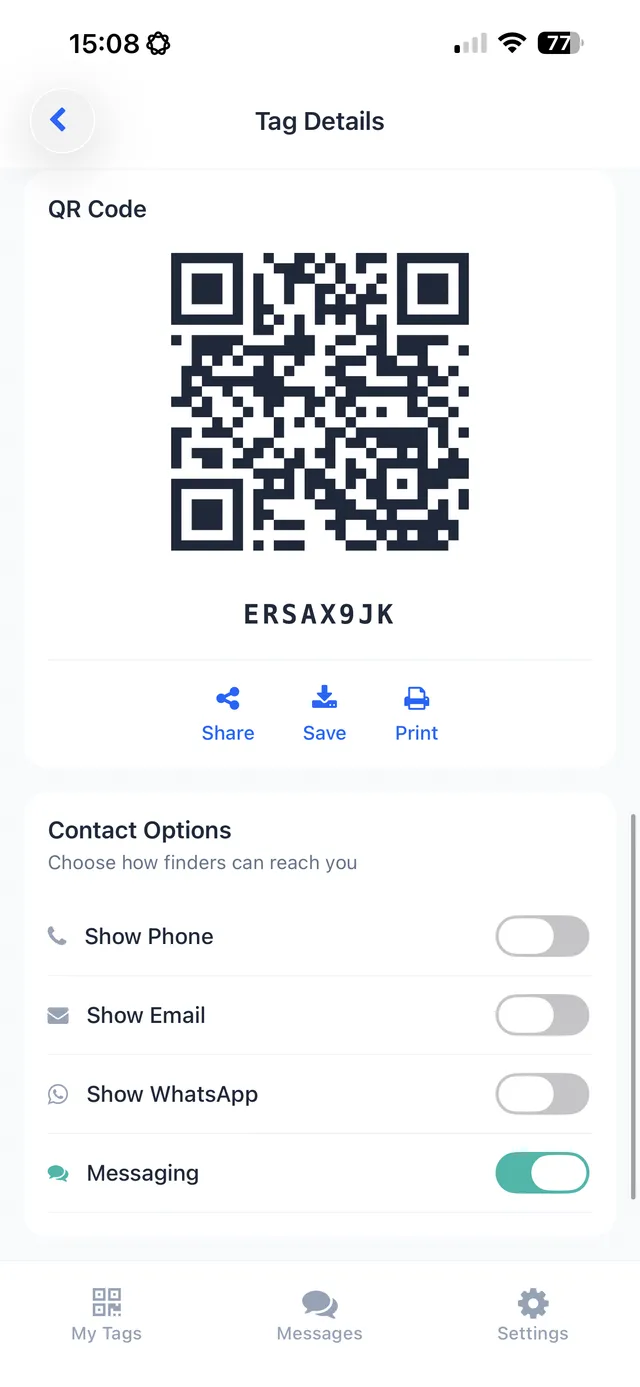
Unclaimed baggage stores are a genuinely fascinating (if slightly unsettling) look at where lost luggage goes when tracing fails completely — and the common thread is always the same: no reliable identifying information on the bag. A TagTrek QR tag attached to your suitcase gives anyone who finds it — airline staff, lost and found, or a stranger at baggage claim — an instant way to contact you directly, no app required, so your bag never has to take the long road to a liquidation shelf.
Frequently asked questions
Is the unclaimed baggage store real?
Yes. The best-known example is Unclaimed Baggage in Scottsboro, Alabama, which has purchased and resold unrecovered airline luggage since 1970. Similar liquidation outlets exist in other countries.
How does luggage end up unclaimed instead of returned?
After an airline exhausts its tracing process — matching tags, checking the last flight, contacting the passenger — a small percentage of bags are never claimed within the airline's holding window and are eventually written off and sold to liquidators.
What percentage of lost luggage actually goes unclaimed?
It's a small fraction of all mishandled bags. Most delayed luggage is found and delivered within days; only bags that can't be matched to an owner at all end up in the unclaimed pipeline.
Can I buy back my own bag from an unclaimed baggage store?
Practically, no — by the time a bag reaches a liquidator it has usually been unidentifiable for months and its contents may already be sorted and resold separately. Preventing that outcome matters more than trying to reverse it.
Never lose your bag again
TagTrek turns any item into a smart QR tag. If it's lost, whoever finds it can reach you in seconds — no app, no account, no GPS tracking.