
Why Do I Keep Losing Things? 8 Reasons (and a System That Fixes It)
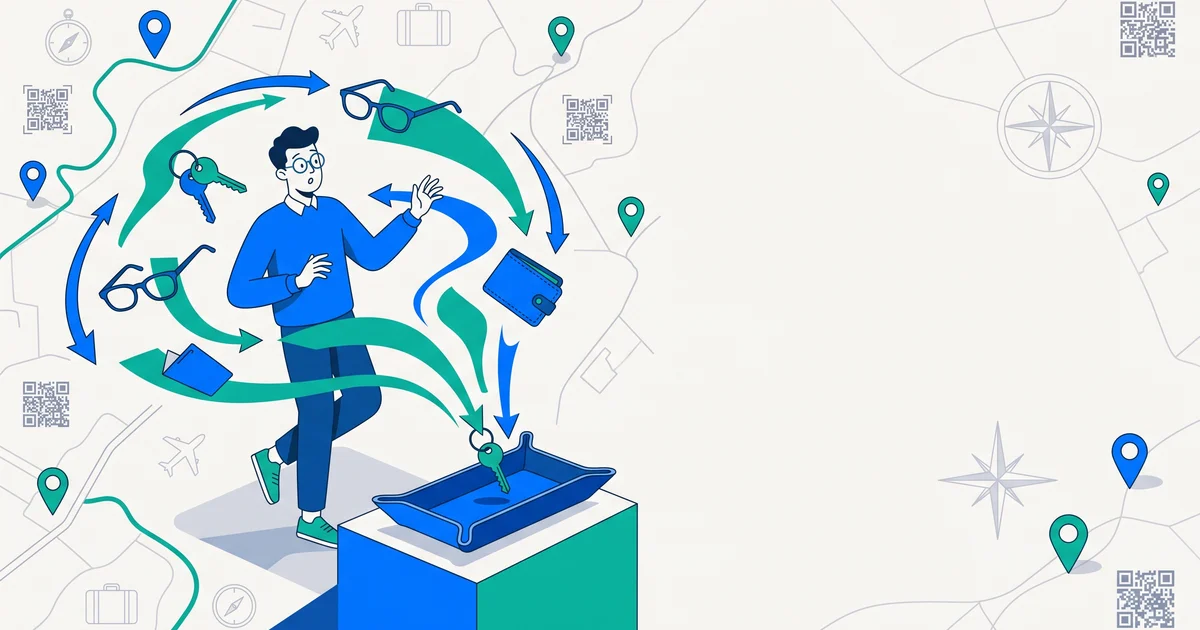
Keys in the fridge. Glasses on your head. Phone… somewhere. If you constantly lose things, you’re far from alone — and it’s rarely a sign that your memory is failing. Most of the time, losing things comes down to attention and habits. Once you understand why it happens, it’s surprisingly easy to fix.
The short answer
People keep losing things mainly because they put items down on autopilot while their attention is elsewhere, so the location never gets stored in memory. Rushing, stress, tiredness, clutter and having no fixed home for items make it worse. The fix is a simple system: a home for every important item, a leaving-the-house check, less clutter where you put things down, and tags or trackers for the things you lose most.
8 reasons you keep losing things
| Reason | What happens |
|---|---|
| 1. Divided attention | You put keys down while talking or on your phone; the brain never records it |
| 2. No fixed home | Items end up wherever you happen to be |
| 3. Rushing | Fast, stressful exits are when things get left behind |
| 4. Tiredness | Poor sleep makes attention lapses more likely |
| 5. Stress | Your mind is on problems, not on where you put things |
| 6. Clutter | Items get buried in piles |
| 7. Changes in routine | Travel, moving, new jobs break your usual patterns |
| 8. Attention differences | Conditions like ADHD can make misplacing things more common |
Why “autopilot” is the big one
To remember where something is, your brain has to notice it. When you put your keys down while thinking about dinner or reading a message, that moment isn’t encoded — so later, there’s nothing to retrieve. It feels like forgetting, but it’s really not noticing.
The system that fixes it
1. Give every important item a home
Keys on a hook by the door. Wallet in the same bag pocket. Glasses in one spot by the bed. Charging station for phones. The fewer places an item can be, the fewer places you’ll look.
2. Make the home easy
The home should be where you naturally drop the item. If you always put keys on the kitchen counter, put the bowl there — don’t fight the habit.
3. Do a leaving check
“Phone, wallet, keys” (plus “passport” when travelling) — every time you leave home, a café, a car or a train. Say it out loud if it helps.
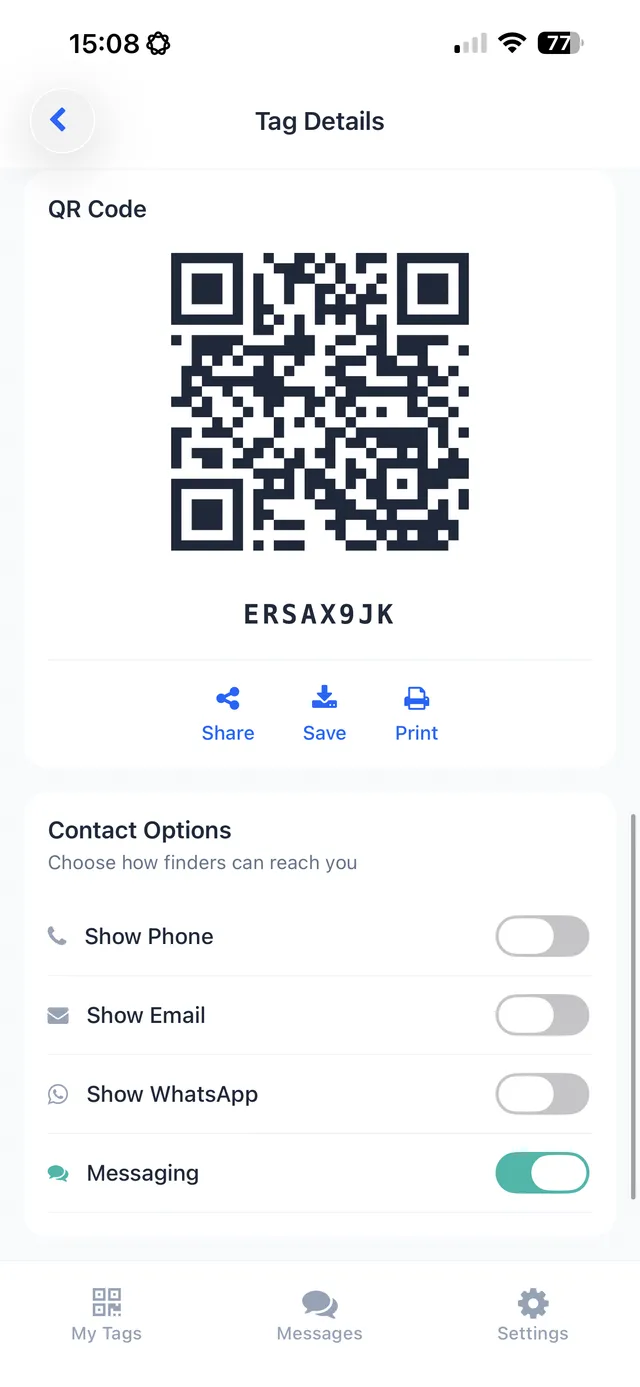
TagTrek turns any item into a smart QR tag. If it's lost, whoever finds it can reach you in seconds — no app, no account, no GPS tracking.


4. Pay attention for one second
When you put down something important, pause and say where it is: “Keys on the hook.” It sounds silly and works surprisingly well.
5. Reduce clutter near entry points
The table by the door and the kitchen counter are where things disappear. Keep them clear.
6. Tag or track what you lose most
- Trackers help find items at home or nearby. AirTag vs Tile vs SmartTag.
- Contact tags help when you lose something out in the world and a stranger finds it. How to never lose your keys and everyday items.
7. Look after sleep and stress
Tiredness and stress make every attention lapse worse. It’s no coincidence that you lose more things in busy, exhausting weeks.
When to talk to a doctor
Everyone loses things. But talk to a doctor if:
- It’s a new change that’s getting worse, especially alongside other memory problems.
- Losing things comes with ongoing difficulty with attention, organisation or time management that affects work, study or relationships (which can be related to ADHD).
- You’re experiencing high stress, low mood or poor sleep.
Found yourself searching again?
Try a systematic search: check the item’s home, retrace your last steps, then search room by room. And when something’s lost outside the house, act fast: lost keys, lost wallet, lost phone.
The bottom line
You keep losing things mostly because you put them down without noticing — not because your memory is broken. Give items a home, do a leaving check, pause for a second when you put something down, clear the clutter and tag the items you lose most.
For the items that get lost outside the house — keys, wallets, bags, laptops — TagTrek adds a safety net: a printed QR tag that any finder can scan with their phone to contact you, no app required. Start with the one or two things you lose most.
Frequently asked questions
Why do I keep losing things?
Usually because of divided attention, no fixed home for items, rushing, stress, tiredness or clutter. Items put down on autopilot aren't encoded in memory, so you can't recall where they are.
Is losing things a sign of ADHD?
Frequently losing things can be one feature of ADHD, but it's also very common without it. If it comes with other attention or organisation difficulties that affect daily life, talk to a doctor.
How can I stop losing my keys and phone?
Give each item a fixed home, do a quick 'phone, wallet, keys' check when leaving anywhere, reduce clutter near the door and use tags or trackers for the items you lose most.
Can stress make you lose things?
Yes. Stress and tiredness make it harder to pay attention to routine actions like putting keys down, so you're more likely to misplace things.
Never lose your bag again
TagTrek turns any item into a smart QR tag. If it's lost, whoever finds it can reach you in seconds — no app, no account, no GPS tracking.